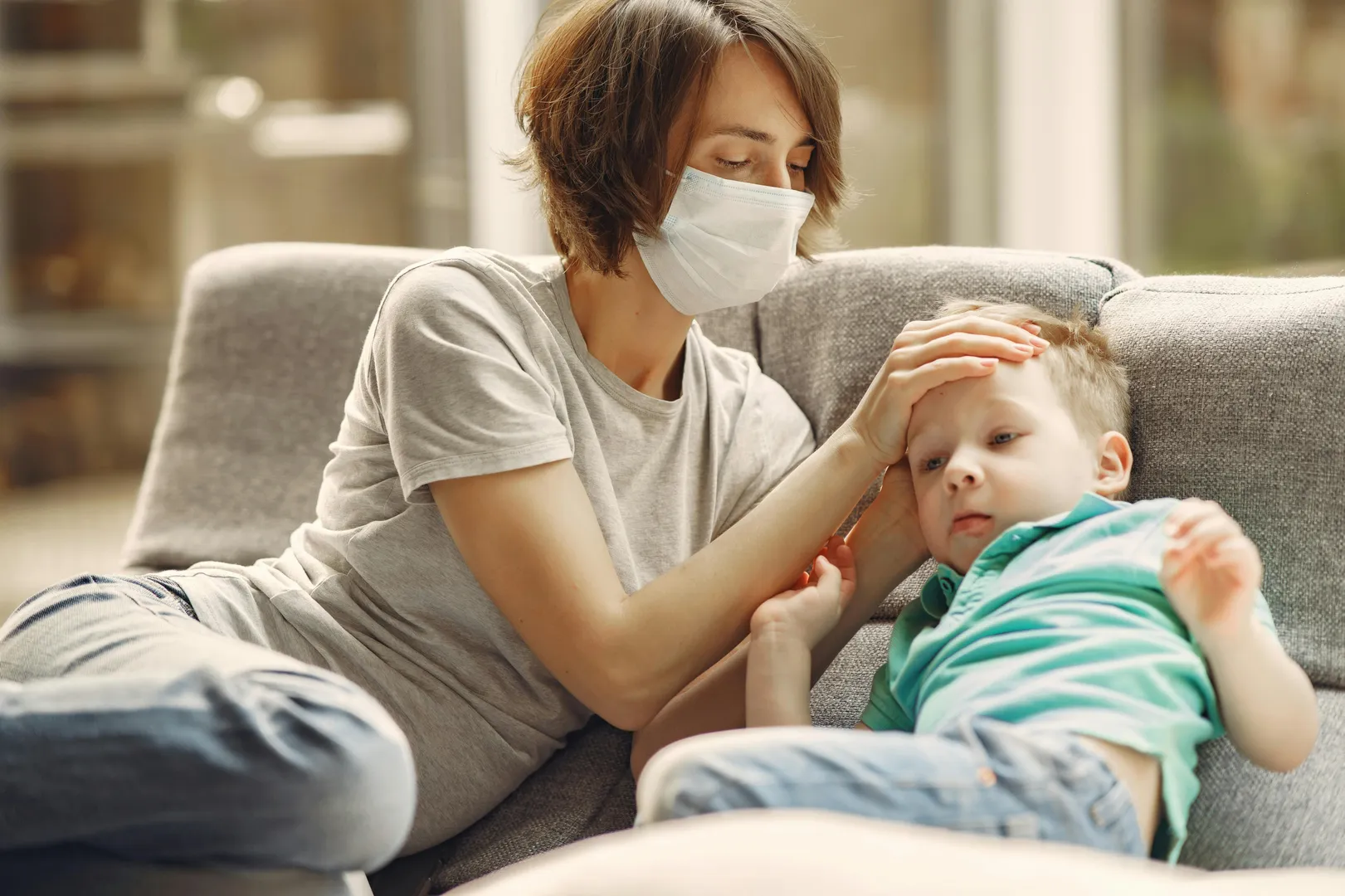
Doctor For Baby Or Child Fever Near Me In Kemps Corner Mumbai
Fever in children is usually the body’s way of fighting infection, and treatment focuses on comfort, hydration, and monitoring. Use acetaminophen or ibuprofen (never aspirin), keep the child cool, and seek medical help if fever is very high, persistent, or accompanied by alarming symptoms.
What Counts as Fever
Defined as temperature above 100.4°F (38°C) in children.
Common causes: viral or bacterial infections, post-vaccination reactions, heat exhaustion, or rarely teething.
Home Care for Fever
Hydration: Encourage water, clear fluids, or oral rehydration solutions like Pedialyte.
Light clothing: Dress in breathable clothes; avoid over-bundling.
Rest: Allow plenty of sleep and quiet time.
Fever reducers: Acetaminophen (Tylenol) or ibuprofen (Advil, Motrin) in correct pediatric doses.
Lukewarm sponge baths: Helpful for higher fevers; avoid cold water or ice
Fever treatment
Doctors often advise adults with mild to moderate fevers below 102 degrees Fahrenheit to: 1. Drink plenty of water and fruit juices to prevent dehydration (abnormally low levels of body water). Fluids help to cool your body and they replenish vital salts and minerals (electrolytes), which may be lost during vomiting or diarrhea; 2. Eat light foods that are easy to digest; 3. Get plenty of rest; 4. Take ibuprofen (Advil, Motrin or others), acetaminophen (Tylenol) or aspirin according to label directions. Fever may help to fight infection, so there is a controversy about whether fever should be treated routinely or only if it is particularly severe. Caution regarding aspirin in children and teenagers. Aspirin should not be given to infants and children younger than age 16 unless specifically prescribed by their doctor. It can lead to a rare but life-threatening neurological disorder called Reye's syndrome. In children, you can consider using acetaminophen or ibuprofen, together with lukewarm sponge baths. If your child has a febrile seizure, call your doctor immediately. If your doctor suspects that a bacterial infection is causing your fever, he or she will prescribe antibiotics.
What to Avoid
No aspirin: Risk of Reye’s syndrome in children under 16.
No alcohol rubs or ice baths: These can worsen shivering and raise body temperature.
Don’t wake a sleeping child just to give fever medicine.
When to Call a Doctor
Infants under 3 months: Any fever ≥100.4°F (38°C).
Children with fever ≥104°F (40°C).
Persistent fever: Lasting more than 3 days despite treatment.
Alarming symptoms: Breathing difficulty, rash, persistent vomiting, severe headache, seizures, or unusual drowsiness.
Prevention Tips
Handwashing: Regular soap and water use.
Vaccinations: Follow pediatric immunization schedules.
Balanced diet: Supports immune system.
Avoid overheating: Dress appropriately for weather and keep rooms cool.
Quick Reference Table
Age Group Fever Threshold Action
0–3 months ≥100.4°F (38°C) Call doctor immediately
3–6 months Up to 102°F Fluids, rest; call doctor if cranky or lethargic
6–24 months >102°F Acetaminophen or ibuprofen; consult doctor if persistent
2–17 years Up to 102°F Fluids, rest; no medicine needed unless uncomfortable
2–17 years >102°F Acetaminophen or ibuprofen; call doctor if >3 days or worsening symptoms
To Book Appointment Call Or Visit Website Now
Fever in children is usually the body’s way of fighting infection, and treatment focuses on comfort, hydration, and monitoring. Use acetaminophen or ibuprofen (never aspirin), keep the child cool, and seek medical help if fever is very high, persistent, or accompanied by alarming symptoms.
What Counts as Fever
Defined as temperature above 100.4°F (38°C) in children.
Common causes: viral or bacterial infections, post-vaccination reactions, heat exhaustion, or rarely teething.
Home Care for Fever
Hydration: Encourage water, clear fluids, or oral rehydration solutions like Pedialyte.
Light clothing: Dress in breathable clothes; avoid over-bundling.
Rest: Allow plenty of sleep and quiet time.
Fever reducers: Acetaminophen (Tylenol) or ibuprofen (Advil, Motrin) in correct pediatric doses.
Lukewarm sponge baths: Helpful for higher fevers; avoid cold water or ice
Fever treatment
Doctors often advise adults with mild to moderate fevers below 102 degrees Fahrenheit to: 1. Drink plenty of water and fruit juices to prevent dehydration (abnormally low levels of body water). Fluids help to cool your body and they replenish vital salts and minerals (electrolytes), which may be lost during vomiting or diarrhea; 2. Eat light foods that are easy to digest; 3. Get plenty of rest; 4. Take ibuprofen (Advil, Motrin or others), acetaminophen (Tylenol) or aspirin according to label directions. Fever may help to fight infection, so there is a controversy about whether fever should be treated routinely or only if it is particularly severe. Caution regarding aspirin in children and teenagers. Aspirin should not be given to infants and children younger than age 16 unless specifically prescribed by their doctor. It can lead to a rare but life-threatening neurological disorder called Reye's syndrome. In children, you can consider using acetaminophen or ibuprofen, together with lukewarm sponge baths. If your child has a febrile seizure, call your doctor immediately. If your doctor suspects that a bacterial infection is causing your fever, he or she will prescribe antibiotics.
What to Avoid
No aspirin: Risk of Reye’s syndrome in children under 16.
No alcohol rubs or ice baths: These can worsen shivering and raise body temperature.
Don’t wake a sleeping child just to give fever medicine.
When to Call a Doctor
Infants under 3 months: Any fever ≥100.4°F (38°C).
Children with fever ≥104°F (40°C).
Persistent fever: Lasting more than 3 days despite treatment.
Alarming symptoms: Breathing difficulty, rash, persistent vomiting, severe headache, seizures, or unusual drowsiness.
Prevention Tips
Handwashing: Regular soap and water use.
Vaccinations: Follow pediatric immunization schedules.
Balanced diet: Supports immune system.
Avoid overheating: Dress appropriately for weather and keep rooms cool.
Quick Reference Table
Age Group Fever Threshold Action
0–3 months ≥100.4°F (38°C) Call doctor immediately
3–6 months Up to 102°F Fluids, rest; call doctor if cranky or lethargic
6–24 months >102°F Acetaminophen or ibuprofen; consult doctor if persistent
2–17 years Up to 102°F Fluids, rest; no medicine needed unless uncomfortable
2–17 years >102°F Acetaminophen or ibuprofen; call doctor if >3 days or worsening symptoms
To Book Appointment Call Or Visit Website Now
Keywords