

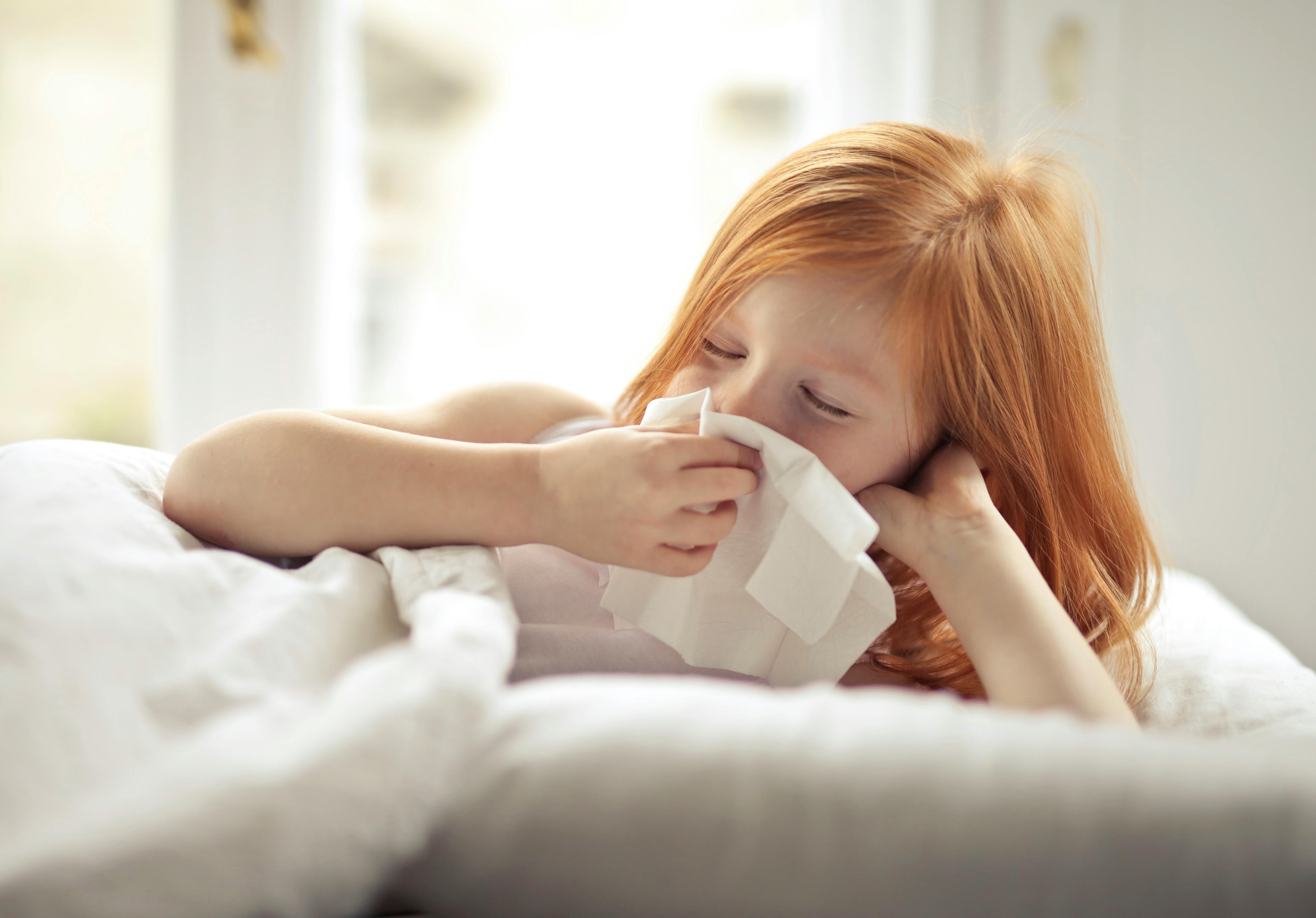
Child Infection Treatment Near Me In Charni Road Mumbai
Effective treatment of infections in children involves early recognition, appropriate medical care, and preventive measures such as vaccination and hygiene practices.
Common Types of Infections
Skin Infections: Children frequently develop skin infections like impetigo (bacterial) and ringworm (fungal). Impetigo presents as red sores around the nose or mouth and requires topical or oral antibiotics depending on severity. Ringworm appears as red, itchy patches with raised edges and is treated with antifungal creams or oral medications in severe cases. Frequent washing of clothing and bedding helps prevent spread.
Respiratory Infections: Common respiratory infections include colds, influenza, pneumonia, and strep throat. Viral infections often resolve without antibiotics, while bacterial infections like strep throat require a full course of prescribed antibiotics. Rapid strep tests or lab cultures confirm diagnosis.
Gastrointestinal Infections: Viruses (e.g., rotavirus, norovirus) and bacteria (e.g., Salmonella, E. coli) can cause diarrhea, vomiting, and dehydration. Treatment focuses on hydration, electrolyte replacement, and supportive care, with antibiotics reserved for specific bacterial infections.
Other Bacterial Infections: Ear infections, urinary tract infections, and more serious conditions like meningitis or pneumonia may require prompt medical attention and antibiotics. Vaccination can prevent many severe bacterial infections.
Diagnosis and Treatment
Diagnosis typically involves clinical evaluation, laboratory tests, and sometimes imaging to identify the causative pathogen. Treatment depends on the type of infection:
Viral infections: Supportive care (hydration, rest, fever management)
Bacterial infections: Appropriate antibiotics, taken for the full prescribed course
Fungal infections: Topical or oral antifungal medications
Severe infections: Hospitalization and intensive care may be necessary for complications
Prevention Strategies
Vaccination: Protects against measles, mumps, rubella, polio, hepatitis, and other serious infections
Hand hygiene: Frequent handwashing reduces transmission
Environmental cleanliness: Regular cleaning of toys, surfaces, and communal areas
Healthy lifestyle: Balanced diet and adequate sleep support immune function
When to Seek Medical Attention
Parents should seek professional care if a child exhibits:
High or persistent fever
Difficulty breathing or severe cough
Signs of dehydration (dry mouth, reduced urination)
Rapidly spreading skin infections or unusual rashes
Lethargy, confusion, or persistent vomiting
Early recognition and treatment are crucial to prevent complications and ensure a full recovery. Combining medical care, preventive measures, and supportive home care helps children recover quickly and reduces the risk of infection spread.
To Book Appointment Call Or Visit Website Now.