Child Fever Treatment In Charni Road Mumbai
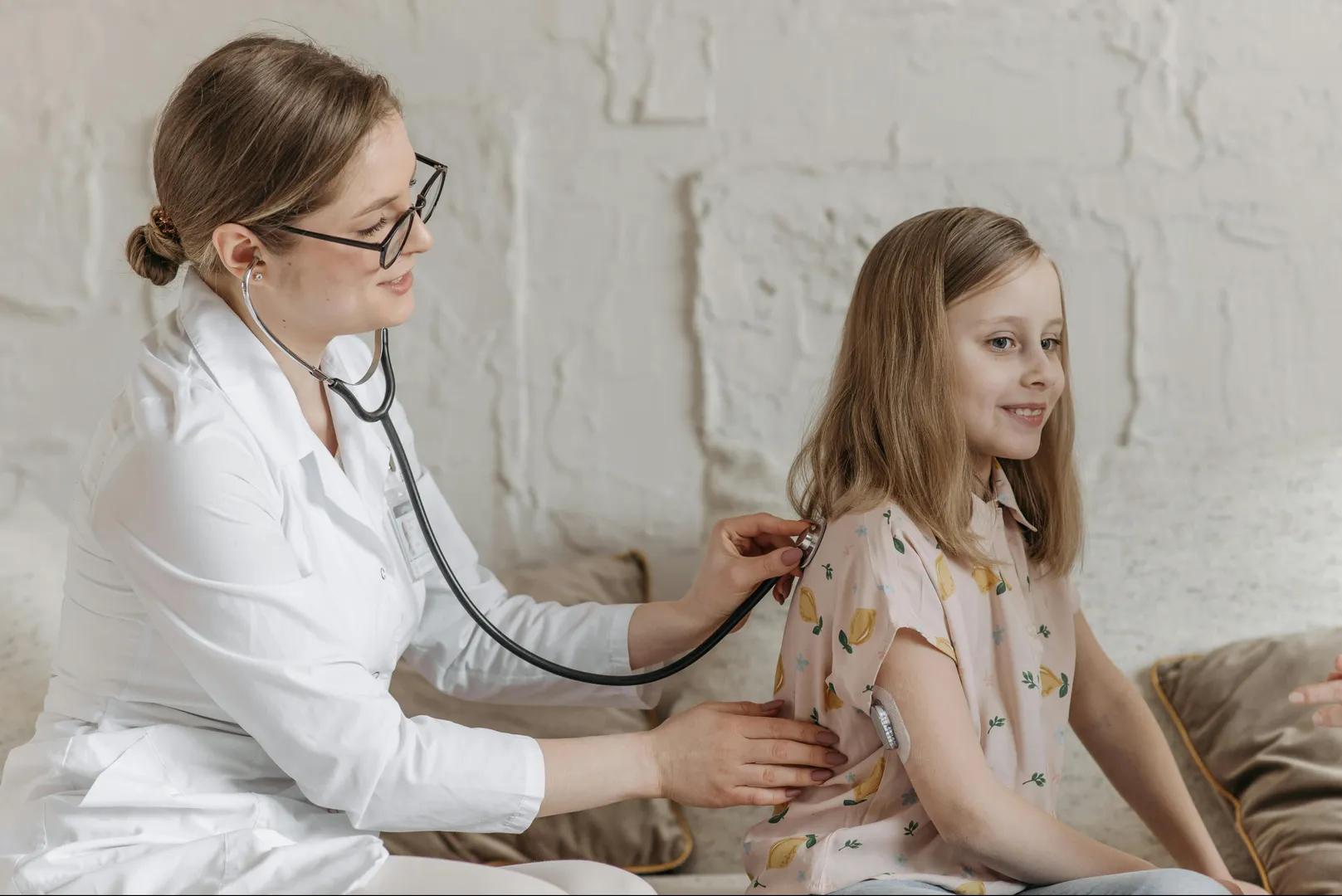
Most fevers in children can be managed at home with fluids, light clothing, and fever-reducing medications, but medical attention is needed if the child is very young, unusually lethargic, or shows worsening symptoms.
Home Care for Fever
Monitor behavior, not just temperature: A child who is alert, drinking fluids, eating, and urinating normally often does not need aggressive treatment even if the temperature is elevated.
Hydration: Offer frequent fluids. For infants, increase breastfeeding or formula feeds. Older children can have water, soups, or oral rehydration solutions if needed.
Clothing and environment: Dress your child in light clothing and avoid heavy blankets. Keep the room at a comfortable temperature.
Comfort measures: Lukewarm sponge baths or cool compresses can help relieve discomfort, but avoid cold baths or ice.
Medications
Acetaminophen (Tylenol): Can be given to children of all ages to reduce discomfort from fever. Dose should be based on weight and follow label instructions.
Ibuprofen (Advil, Motrin): Suitable for children older than 6 months. Avoid in infants under 6 months unless directed by a doctor.
Avoid aspirin: Aspirin can cause Reye’s syndrome in children and should never be used.
Medication timing: Do not exceed recommended doses. Acetaminophen and ibuprofen can be alternated if needed, but track timing carefully.
When to Seek Medical Attention
Infants under 3 months: Fever requires urgent medical evaluation.
Infants 3–6 months: See a doctor promptly if fever is present.
Older children: Seek care if fever lasts more than 48–72 hours, the child is unusually lethargic, has difficulty breathing, persistent vomiting, or shows signs of dehydration.
Emergency care: Call 911 if the child is very hard to wake, has seizures, or appears critically ill.
Additional Tips
Avoid combination cold and flu medications in children under 4 years, as they may contain multiple active ingredients including acetaminophen.
Keep a record of medications given, doses, and timing to prevent accidental overdose.
Fever itself is usually a natural response to infection and not harmful; treatment focuses on comfort rather than eliminating the fever completely.
By following these guidelines, most children with fever can be safely cared for at home while monitoring for signs that require professional medical attention.
To Book Appointment Call Or Visit Website Now
Keywords