

Is Teeth Whitening Safe? At Charni Road Mumbai
How does teeth whitening work?
The magic of science can help make stains on your teeth disappear.
Most at-home teeth whitening products contain a bleaching agent like hydrogen peroxide or carbamide peroxide (a chemical that includes hydrogen peroxide). These ingredients work on a molecular level to whiten your teeth.
Tooth stains, after all, are merely an accumulation of darker-colored compounds called chromogens. Hydrogen peroxide breaks down bonds within those compounds to lighten up the stains.
“As those compounds get smaller, the discoloration becomes less concentrated and the net effect is brighter teeth, ” explains Dr. Clemons.
Whitening toothpaste may also have an abrasive (such as baking soda) that works to reduce surface stains on your teeth. Think of it as a very gentle sanding that takes place every time you brush your teeth.
Is teeth whitening effective?
It’s not unusual to see your teeth noticeably lighten a few shades with regular use of at-home tooth whitening products.
Gel-filled trays work the fastest, with results sometimes seen in as little as a few days, researchers say. Whitening strips and gels typically lighten teeth within two weeks. Whitening toothpastes and rinses work more slowly.
“If you follow product instructions and stick with it, you’ll start to notice a difference, ” Don’t expect drastic changes, though, from pretty dark teeth to bright ones. It’s more of a gradual process.
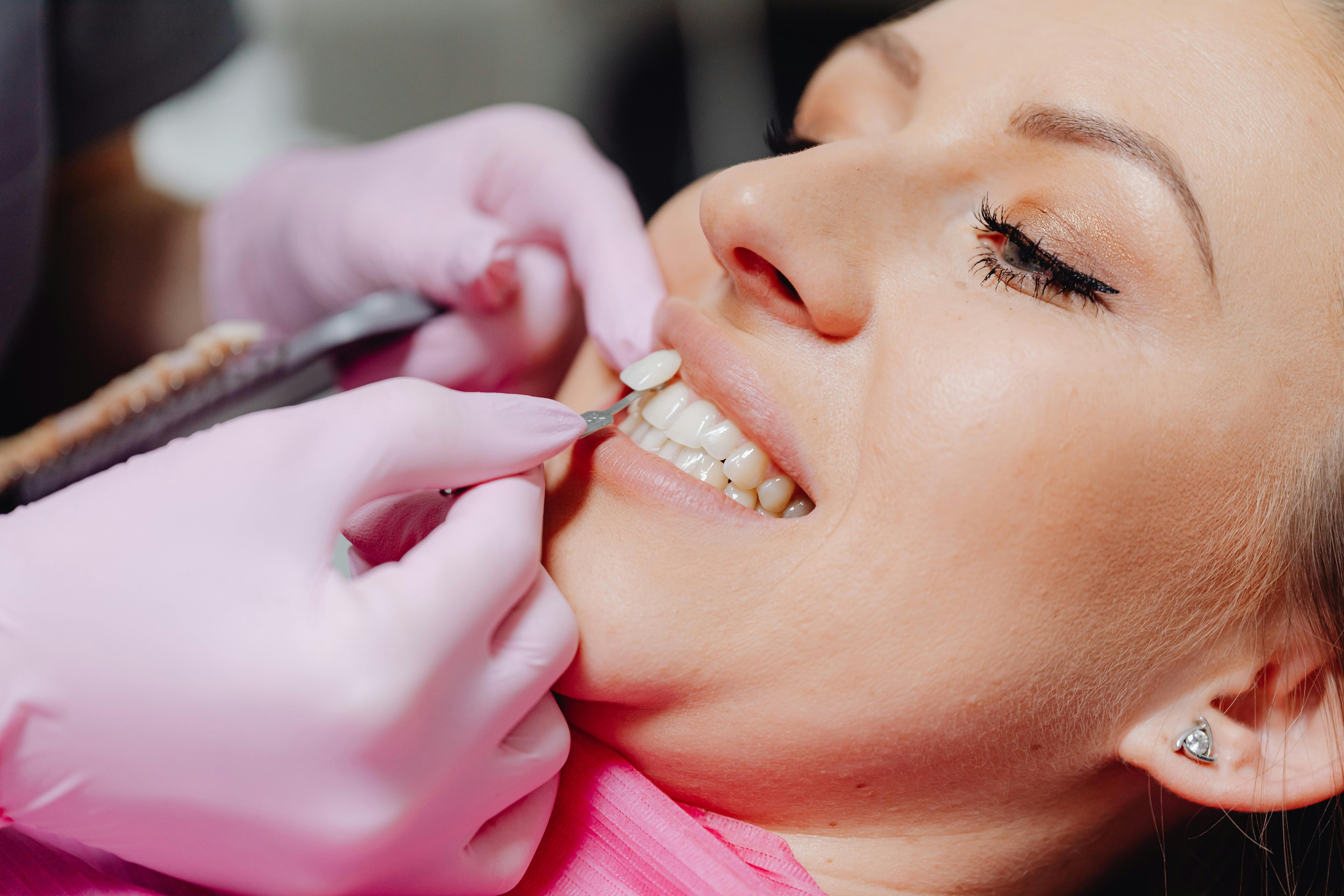
Professional whitening treatments — which use stronger concentrations of hydrogen peroxide or carbamide peroxide — may bring faster and more dramatic results. A 30-minute session with your dentist may be all you need for a much more radiant smile.
“You can walk in with one shade of teeth and walk out with them looking much whiter, ”
Are there risks to teeth whitening?
Overall, teeth whitening is considered safe. The products have been around for decades, and millions of people use them — including plenty of dentists.
But as with any sort of treatment, the potential for issues exists.
“It’s very common to experience temporary sensitivity in your teeth or irritation to the gums after you start using a whitening product, Both of those tend to go away pretty quickly, though.
Laboratory research also points to the possibility of tooth erosion and changes in tooth microstructure through aggressive bleaching. Studies suggest, too, that whiteners may chemically react to ceramic crowns, sealants and other dental restorations.
Bottom line? “There are risks with any sort of treatment, but teeth whitening products have been carefully formulated to make sure they’re safe for use on your teeth, ”
Tips for teeth whitening
If you’re looking to add sparkle to your smile, offers the following advice to do it safely and effectively.
Talk to your dentist
Your dentist probably knows your teeth better than you do, from your molars to your incisors. Use that familiarity to build a plan to brighten your smile.
For starters, a dentist can help you determine why your teeth might look a little discolored. That’s important because bleaching products work best on teeth that have yellowed with age or through staining by food or drinks.
But brown or gray discoloration could signal problems that a bleaching kit won’t fix. Tackling concerns like gum disease or cavities before starting a bleaching treatment is also important.
Your dentist can also recommend the best products for you and your teeth.
Buy proven products
Follow instructions
How often you use teeth whitening products varies based on the concentration of the bleaching agent. Some are designed to be used once a day, while others can be used twice (or more). Some are used for a week, while others can be used for two weeks (or more).
Listen to your teeth
As mentioned, some people develop temporary sensitivity in their gums or teeth when using whitening products. While that’s not a sign of long-term damage, it can be uncomfortable.
Consider taking a break from bleaching or switching to a milder product if it happens to you. Again, talk to your dentist for the right advice.
Avoid home remedies
Search online and you’ll find some interesting theories on whitening teeth using cooking oils, apple cider vinegar and other kitchen staples. Activated charcoal powder is often mentioned, too.
But be wary of trying these alternative methods: “Some of these may seem harmless, but they can damage your teeth over time, ”
Plus, there’s little to no evidence suggesting these methods are effective.
Also, while hydrogen peroxide is in teeth whitening products, DO NOT use the hydrogen peroxide in your medicine cabinet for dental care.
“The hydrogen peroxide in whitening products has been carefully formulated for use on your teeth, ”
Final thoughts
Teeth whitening products can be effective and safe if used correctly. But don’t underestimate what regular dental cleanings can do for your smile. Seeing your dentist once or twice a year can help manage plaque and surface stains.