

Fall Injury Treatment in Children Near Me In Charni Road Mumbai
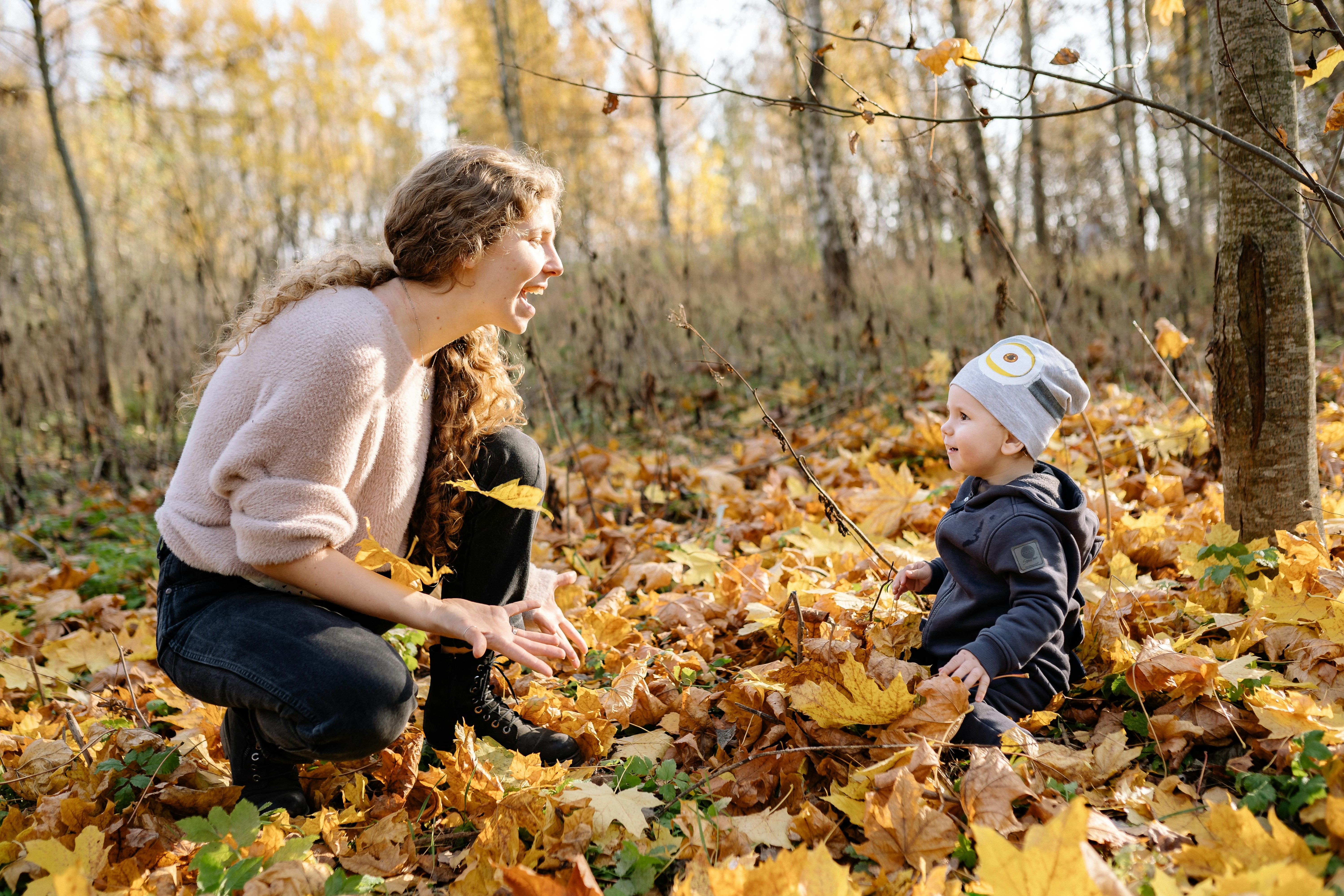
Children are naturally curious, energetic, and constantly on the move. While this is essential for their development, it also makes them particularly vulnerable to falls and injuries. From toddlers learning to walk to school-aged children climbing trees, falls remain one of the most common causes of injury in paediatric care. Understanding how to prevent these incidents and manage them effectively is crucial for parents, caregivers, and healthcare professionals.
Common types of fall-related injuries
Fractures and bone injuries
Head injuries
Minor cuts and contusions
Prevention strategies for parents and caregivers
Creating a safe home environment
Playground and outdoor safety
Supervision and education
Managing minor injuries at home
Treating cuts and scrapes
Managing bruises and swelling
When to seek medical attention
Eye injuries in children
Types of eye injuries
First aid for eye injuries
Preventing eye injuries
The role of healthcare professionals
Building a culture of safety
Why children are prone to falls
Childhood falls are largely a result of evolving developmental stages, curiosity about their surroundings, and increasing independence that comes with risk-taking behaviours. Unlike adults, children have limited awareness of potential dangers and often lack the coordination and judgment needed to avoid hazardous situations.
The cause of falls varies significantly by age. Infants who are learning to roll, crawl, and stand face high risks related to furniture, stairs, and baby walkers. Babies left on changing tables, beds, or sofas can easily roll off. Toddlers and preschoolers, being more independent and curious, are at greater risk of falling from windows, furniture, and playground equipment
The highest proportion of emergency visits due to falls involves children younger than five years, accounting for roughly 1.2 million visits annually. Falls are also the primary cause of traumatic brain injury among children, responsible for ninety percent of such injuries in children aged zero to four years.
Common types of fall-related injuries
The injuries children sustain from falls can range from minor to severe. Minor injuries include cuts, scrapes, and bruises that typically heal with basic home care. However, more serious falls can result in fractures of the upper and lower extremities, head injuries, and in rare cases, permanent disability.
Fractures and bone injuries
Broken bones are common outcomes of childhood falls, particularly among active children who fall from heights such as playground equipment, trees, or furniture. The severity often depends on the height of the fall and the surface on which the child lands. Fractures typically require medical evaluation, and treatment may involve immobilisation with casts or splints, and occasionally surgical intervention for complex breaks.
Head injuries
Falls are a major cause of head injuries, particularly among babies and toddlers whose large heads often hit the ground first and absorb the impact. Head injuries are associated with the most deaths and severe outcomes from falls. Signs of serious head injury include loss of consciousness, persistent vomiting, confusion, unequal pupils, and unusual drowsiness. Any suspected head injury warrants immediate medical attention.
Minor cuts and contusions
Superficial injuries like cuts and bruises are the most frequent outcomes of childhood falls. These generally require basic first aid, including cleaning the wound, applying pressure to stop bleeding, and covering with a sterile bandage. While most heal without complications, parents should monitor for signs of infection such as increasing redness, swelling, or discharge.
Prevention strategies for parents and caregivers
The good news is that most fall-related injuries are preventable. Prevention strategies should emphasise education, training, and creating safer environments. Parents and caregivers play a major role in reducing risks through supervision and home modifications.
Creating a safe home environment
Installing window guards and safety netting helps prevent falls from windows, balconies, decks, and landings. Window screens alone are not effective for preventing children from falling out. Additional measures include keeping furniture away from windows to discourage climbing, using window stops to limit openings to less than four inches, and always supervising children near windows.
Safety gates on stairs and guards on windows are essential protective strategies, particularly for young children. Hardware-mounted gates that screw into the wall should be used at the top of stairs, as pressure-mounted gates can be dislodged. Corner and edge bumpers on furniture and fireplace hearths help prevent injuries from falls against sharp surfaces.
Playground and outdoor safety
Providing soft landing surfaces below playground equipment significantly reduces injury severity. Parents should ensure playgrounds have appropriate impact-absorbing materials such as rubber mulch, sand, or engineered wood fibre. Children should be taught proper use of playground equipment and encouraged to use age-appropriate structures.
Using proper safety equipment during sports and recreational activities is essential. This includes knee pads, elbow pads, wrist guards, and helmets appropriate for the activity. Protective eyewear is particularly important in sports like baseball, basketball, hockey, and racquet sports.
Supervision and education
While constant supervision is not always possible, ensuring children are in safe environments is critical. Parents should teach children about potential hazards and safe behaviours from an early age. This includes proper use of stairs, avoiding climbing on furniture, and understanding the dangers of heights.
Not every fall requires a trip to the emergency room. Minor injuries can often be effectively managed at home with proper first aid techniques.
Treating cuts and scrapes
For minor cuts, apply direct pressure with a clean cloth or gauze for ten minutes to stop bleeding. Once bleeding has stopped, wash the wound with soap and water for five minutes, apply antibiotic ointment, and cover with a bandage. Monitor the wound daily for signs of infection and change the bandage regularly.
Managing bruises and swelling
Apply cold compresses or ice packs wrapped in cloth to the affected area for twenty minutes at a time during the first forty-eight hours to reduce swelling. After two days, switch to warm compresses to help the body reabsorb the blood. Over-the-counter pain relievers appropriate for children can help manage discomfort.
When to seek medical attention
Certain signs indicate that professional medical care is necessary. Seek immediate medical attention if the child experiences loss of consciousness, persistent vomiting, severe headache, confusion, difficulty breathing, obvious deformity of a limb, inability to bear weight, or wounds that will not stop bleeding. Falls from significant heights or onto hard surfaces also warrant medical evaluation.
Eye injuries in children
Eye injuries deserve special attention as they are a common cause of vision loss in children. Each year, thousands of children sustain eye damage or even blindness from accidents, but nine out of ten of these injuries could be prevented with proper precautions.
Types of eye injuries
Eye injuries can result from blunt trauma (being struck by a ball or fist), penetrating injuries (from sharp objects), or chemical exposure. Common injuries include corneal abrasions (scratches), foreign bodies in the eye, black eyes, and in severe cases, damage to the internal structures of the eye.
First aid for eye injuries
For foreign objects in the eye, gently flush the eye with clean water while holding the eyelids open. Encourage the child to blink repeatedly, which may help dislodge small particles. If the object remains after flushing, cover the eye lightly with a clean bandage and seek medical care.
For chemical exposure, immediately flush the eye with water for fifteen to twenty minutes, tilting the child’s head so the affected eye is lower to prevent chemicals from entering the other eye. Seek medical attention promptly after flushing.
For embedded objects or penetrating injuries, do not attempt to remove the object or apply pressure to the eye. Cover the eye gently with a rigid shield (such as a paper cup) and seek emergency care immediately. Covering both eyes helps prevent eye movement that could worsen the injury.
Preventing eye injuries
Prevention remains the best approach. Keep hazardous chemicals and sharp objects out of children’s reach. Ensure children wear appropriate protective eyewear during sports and activities that pose eye injury risks. Avoid toys with projectiles or sharp edges, and supervise children when using pointed objects like scissors or pencils.
The role of healthcare professionals
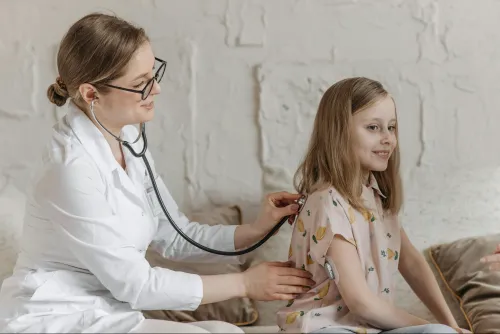
Paediatric nurses and healthcare providers play a vital role in both treating injuries and educating families about prevention. This includes assessing injury severity, providing appropriate treatment, counselling parents on home safety modifications, and identifying children who may be at higher risk due to developmental delays or behavioural factors.
Healthcare professionals should also be alert to patterns of injury that might suggest neglect or abuse, while recognising that most childhood falls are genuine accidents resulting from normal developmental exploration.
For Booking Appointment Call Or Visit Website Now