

Best Pediatrician near Girgaon
Thermometer Basics: Taking Your Child's Temperature
There are so many types of thermometers available in the market that it may baffle a panicky parent as to which one to use and when to seek medical help for fever.
A normal temperature in babies and children is about 36.4C (97.5F), but this can vary slightly. A fever is usually considered to be a temperature of 38C (100.4F) or above.
Your baby may have a fever if they:
- feel hotter than usual to the touch – on their forehead, back or stomach
- feel sweaty or clammy
- have flushed cheeks
If you think your baby has a fever, it’s best to check their temperature with a thermometer. This will help you work out whether you need to get medical advice.
Thermometer options
A glass mercury thermometer was once most commonly used by most parents. Today, mercury thermometers are no longer recommended because they can break and allow mercury to vaporize and be inhaled. When choosing a thermometer, consider these options:
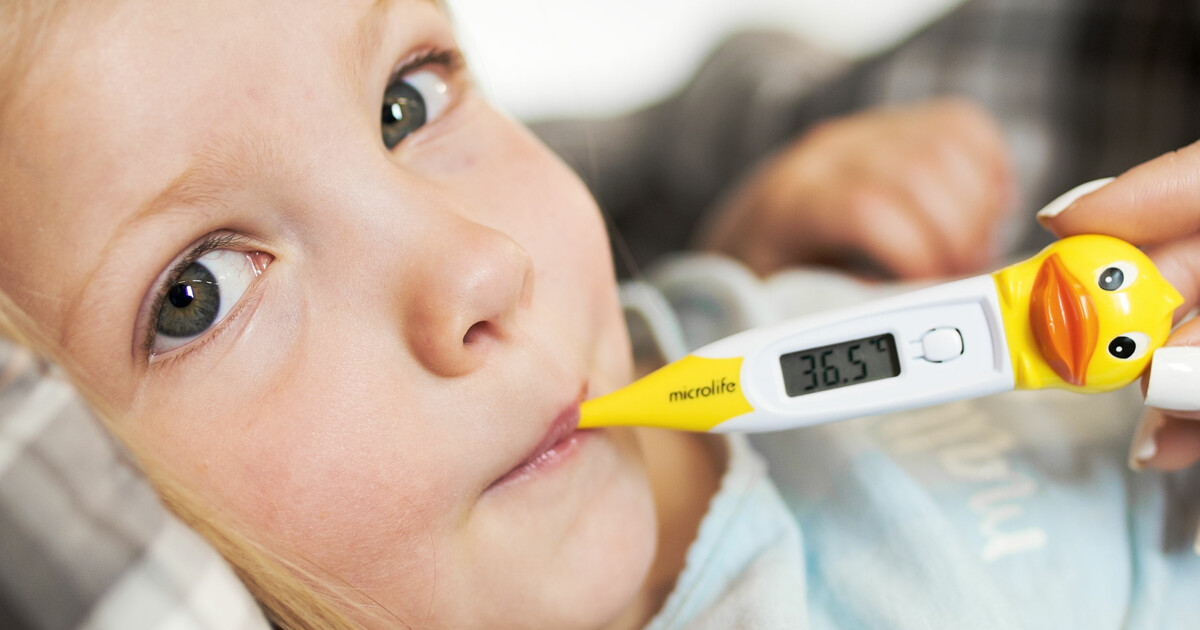
- Digital thermometers.These thermometers use electronic heat sensors to record body temperature. They can be used in the rectum (rectal), mouth (oral) or armpit (axillary). Armpit temperatures are typically the least accurate of the three.
- Digital ear thermometers (tympanic membrane).These thermometers use an infrared ray to measure the temperature inside the ear canal. Keep in mind that earwax or a small, curved ear canal can interfere with the accuracy of an ear thermometer temperature.
- Temporal artery thermometers.These thermometers use an infrared scanner to measure the temperature of the temporal artery in the forehead. This type of thermometer can be used even while a child is asleep.
Digital pacifier thermometers and fever strips are not recommended.
How can I make sure the reading is accurate?
If you use a digital thermometer under your child’s armpit and follow the manufacturer’s instructions carefully, you should get an accurate reading.
There are a few important things one needs to keep in mind that can slightly alter the reading – for example, if your child has been:
- wrapped up tightly in a blanket
- in a very warm room
- very active
- cuddling a hot water bottle
- wearing a lot of clothes
- having a bath
If this is the case, allow them to cool down for a few minutes, but don’t let them get cold or shivery, then take their temperature again to see if there’s any change.
Safety tips
Please read the instructions very carefully that come with the thermometer. Before and after each use, clean the tip of the thermometer with rubbing alcohol or soap and lukewarm water and then rinse with cool water.If you are using a digital thermometer to take a rectal temperature, get another digital thermometer for oral use. Label each thermometer, and don’t use the same thermometer in both places.
For safety — and to make sure the thermometer stays in place — never leave your child unattended while you’re taking his or her temperature.